
MSN
Experts say homebuyers are avoiding these 6 climate-vulnerable features
Something is quietly reshaping the American housing market, and it has nothing to do with interest rates or inventory. Buyers across the country are increasingly walking away from properties that carry serious climate risk, and the data is starting to catch up with that instinct.
Some homeowners say climate risk could cause them to move, while a staggering 93% worry extreme weather could damage their home within the next three years.
1. Homes in High-Risk Flood Zones

(Image Credits: Rawpixel)
Potential buyers have begun asking about climate risks and demanding discounts on homes located in coastal floodplains, known as Special Flood Hazard Areas, with a 1% annual chance of a 100-year storm. The sharp uptick in the cost of home and flood insurance is also dampening demand for homes, with tens of thousands of houses sitting unsold and some buyers avoiding high-risk areas entirely.
The reluctance is well-founded. 2 million homes in high flood risk areas, both coastal and inland, and more than 90% of disasters in the United States involve flooding, making it the country’s costliest disaster peril.
A Cotality study found that homes sitting within Miami’s 100-year flood zone saw a reduction in value of between 9% and 18% per square foot. Those discounts rarely compensate buyers for what comes next.
Zillow’s analysis of its own data found that homes listed in June 2024 with a high flood risk were less likely to sell by March 2025 than those with a low flood risk. Just 52% of the high-risk homes sold, compared to 71% of the low-risk homes.
For buyers running the full numbers, a flood-zone address has become a hard pass.
2. Properties in Active Wildfire Corridors

(Image Credits: Flickr)
The January 2025 Los Angeles fires burned as a brutal reminder of how quickly housing wealth can vanish.
Notably, 94% of properties that burned were classified as having “severe” or “extreme” wildfire risk by First Street data, compared with only 21% identified as “very high” risk by Cal Fire maps, illustrating the discrepancies in risk modeling approaches. Redfin Chief Economist Daryl Fairweather described the wildfires devastating Los Angeles as potentially “a critical tipping point for risk tolerance among American renters and homeowners,” noting that California’s high-fire-risk areas in 2023 saw a net loss of residents, marking a reversal from the prior year.
The number of buildings destroyed by wildfire in California each year has spiked 335% since 2009, according to First Street Foundation. Buyers who once prized hillside or canyon homes with forest views are now rethinking those priorities with hard data in hand.
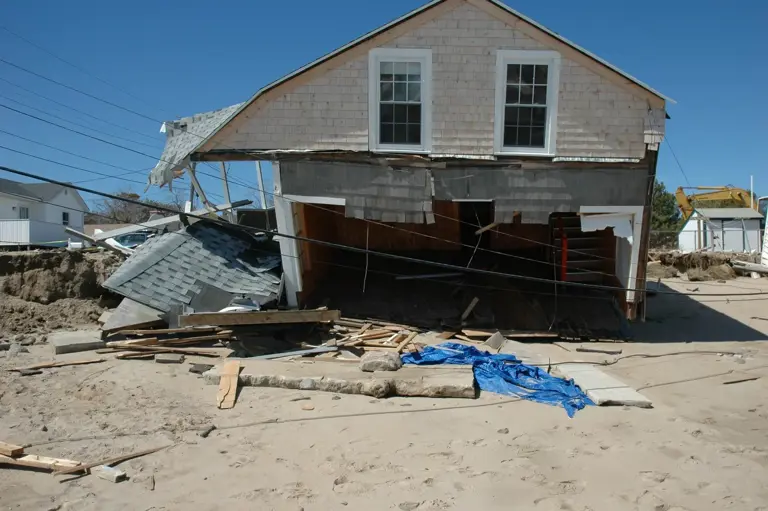
3. Coastal and Hurricane-Prone Locations
(Image Credits: Wikimedia)
The challenges are especially acute in storm-prone Florida, with 1,350 miles of coastline and millions of houses and condominiums perched along shorelines, lagoons, and canals. Following three major hurricanes in two years, the housing boom there shows signs of stalling, or even becoming a bubble.
The financial toll is staggering. Since 2000, Florida has had 36 presidential disaster declarations, with damages from just the last seven years exceeding $300 billion, according to the National Oceanic and Atmospheric Administration.
Cotality data shows homes in Virginia Beach, Virginia, stayed on the market 32% longer in 2025 than in early 2024. During the same period, Wilmington, North Carolina, homes lingered 19% longer.
Those patterns reflect a buyer base that is growing warier. Rising insurance costs are reshaping who can afford coastal homes, with young and middle-income buyers often priced out due to high insurance premiums that push monthly costs beyond affordability.
Shrinking buyer pools mean homes sit longer, prices fall, and neighborhoods change.
4. Homes in Extreme Heat Zones

(Image Credits: Unsplash)
According to a report by Climate Central, 72 countries with more than 25% of the world’s population suffered through their hottest summer in more than 50 years in 2024, and 180 cities in the Northern Hemisphere reported at least one extreme heat wave, which was 21 times more likely due to climate change.
Some buyers are increasingly factoring in the long-term cost of living in relentlessly hot regions. ” Buyers are being urged to examine their current budget and how it would be impacted by rising utilities and insurance costs, because if a home is in an area that will get hotter or has high climate risks, those costs are likely to rise more than average.
Extreme heat also strains infrastructure, accelerates wear on HVAC systems, and raises energy bills substantially year over year. A November 2024 Redfin report found that homes with low natural disaster risks were rising in value faster than homes with high risk for the first time in more than ten years, signaling a measurable shift in where buyer preference is heading.
5. Uninsurable or Insurance-Desert Properties
(Image Credits: Unsplash)
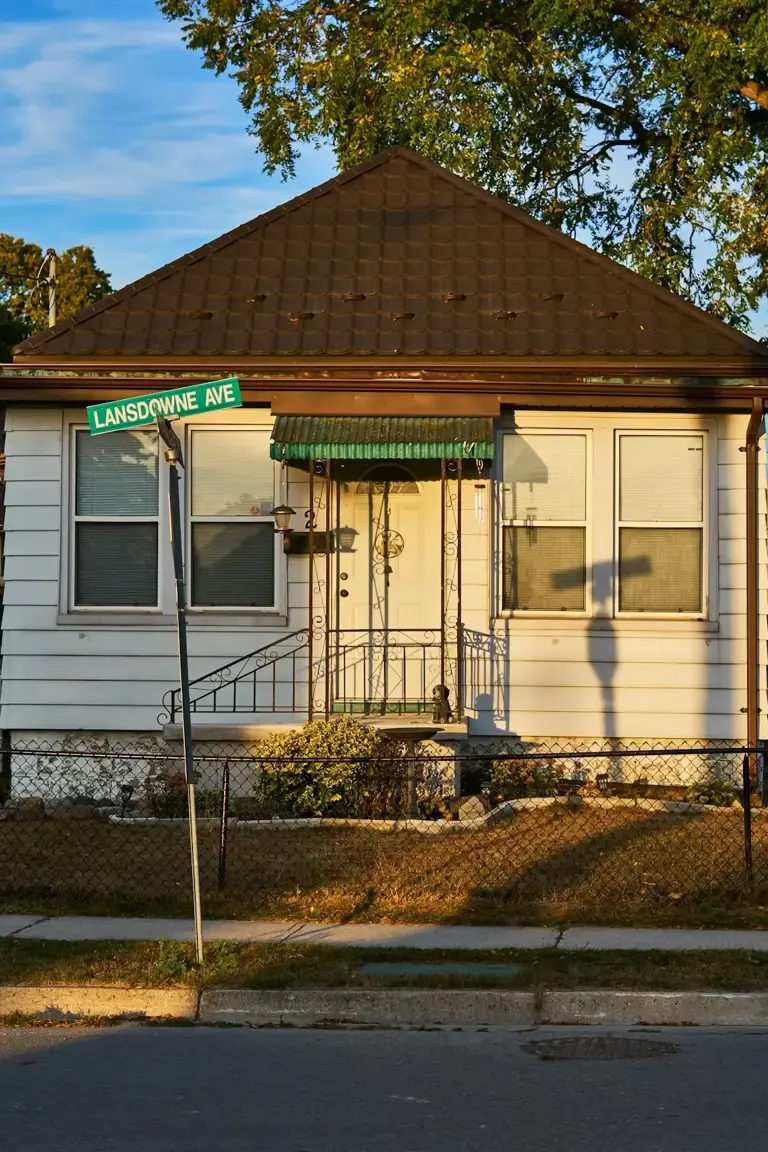
Climate change, alongside insurance fraud and regulation in some places, is resulting in insurance that is too expensive to afford. Insurers are withdrawing from places such as parts of California, Florida, and Louisiana, where insurance is no longer profitable because of the cost of paying claims, and they are increasingly opting not to renew policies in risky areas.
This is not a peripheral issue. People are struggling with mounting premium costs, and some home sales are falling through entirely as buyers cannot secure insurance, a legal requirement to obtain a mortgage.
From 2020 to 2023, average property insurance premiums rose by more than 30%, rising the most in areas exposed to hurricanes or wildfires, according to research published by the National Bureau of Economic Research. Buyers who find coverage is unavailable have no path to a mortgage, which effectively removes the property from their consideration.
This trend is more than a cost issue; it threatens the very mechanics of the housing market. Without insurance, mortgages cannot be issued.
Without mortgages, home sales collapse.
6. Properties With Outdated or Inadequate Climate Disclosure
(Image Credits: Unsplash)
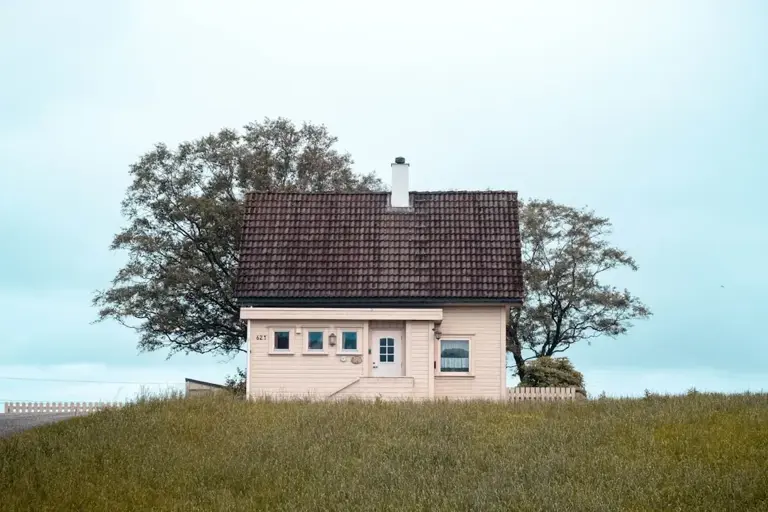
Homebuyers may simply be lacking information, as climate disclosure requirements vary wildly from area to area. In 23 states, home sellers are not required to report a home’s flood history to potential buyers, and only two states, California and Oregon, require any disclosure of fire risk.
But that information gap is closing fast, and buyers who discover undisclosed risks after purchase are pushing back loudly. A significant majority, 72%, of Americans believes that climate change risks should be disclosed during the homebuying process.
5 million random users of the real estate website Redfin saw flood risk information associated with individual properties, that data affected every aspect of house-buying, including property search, bidding, and final purchase. Buyers were also willing to make trade-offs around amenities in order to own a property with a lower flood risk.
The demand for transparency is now strong enough to move markets. 47 trillion reduction in real estate value over the next three decades, a figure that gives any serious buyer reason to ask hard questions before signing on the dotted line.